Huawei Mate XT 2: Specs, Colors, Features & Real Experience
Discover the Huawei Mate XT 2, its tri-fold design, colors, display, storage, cameras, battery, features and real-world experience.
Abu Bakar
Huawei Mate XT 2: Huawei’s Most Ambitious Tri Fold Phone Is Finally Becoming Practical
What if your smartphone could open into a tablet, but still protect its expensive flexible display when you put it back in your pocket?
That is exactly the problem Huawei is trying to solve with the Huawei Mate XT 2 Ultimate Design.
Huawei has already proved that a commercial tri fold phone is possible. This time, however, the company is not simply trying to make another futuristic device. The Mate XT 2 introduces a completely different folding structure, a dedicated outer display, improved durability, new privacy technology and storage options reaching an incredible 2TB.
Huawei has confirmed that the Mate XT 2 will officially launch in China on September 7, 2026, alongside HarmonyOS 7. Pre reservations opened on August 31.
So, is this finally the tri fold phone that can move from a technology showcase to something people would actually want to use every day?
A Completely New Folding Design
The biggest upgrade is not the processor or camera. It is the way the phone folds.
The previous Mate XT used a Z shaped design where part of the flexible screen remained exposed when the device was closed. It looked spectacular, but an exposed flexible OLED naturally creates concerns about scratches and long term durability.
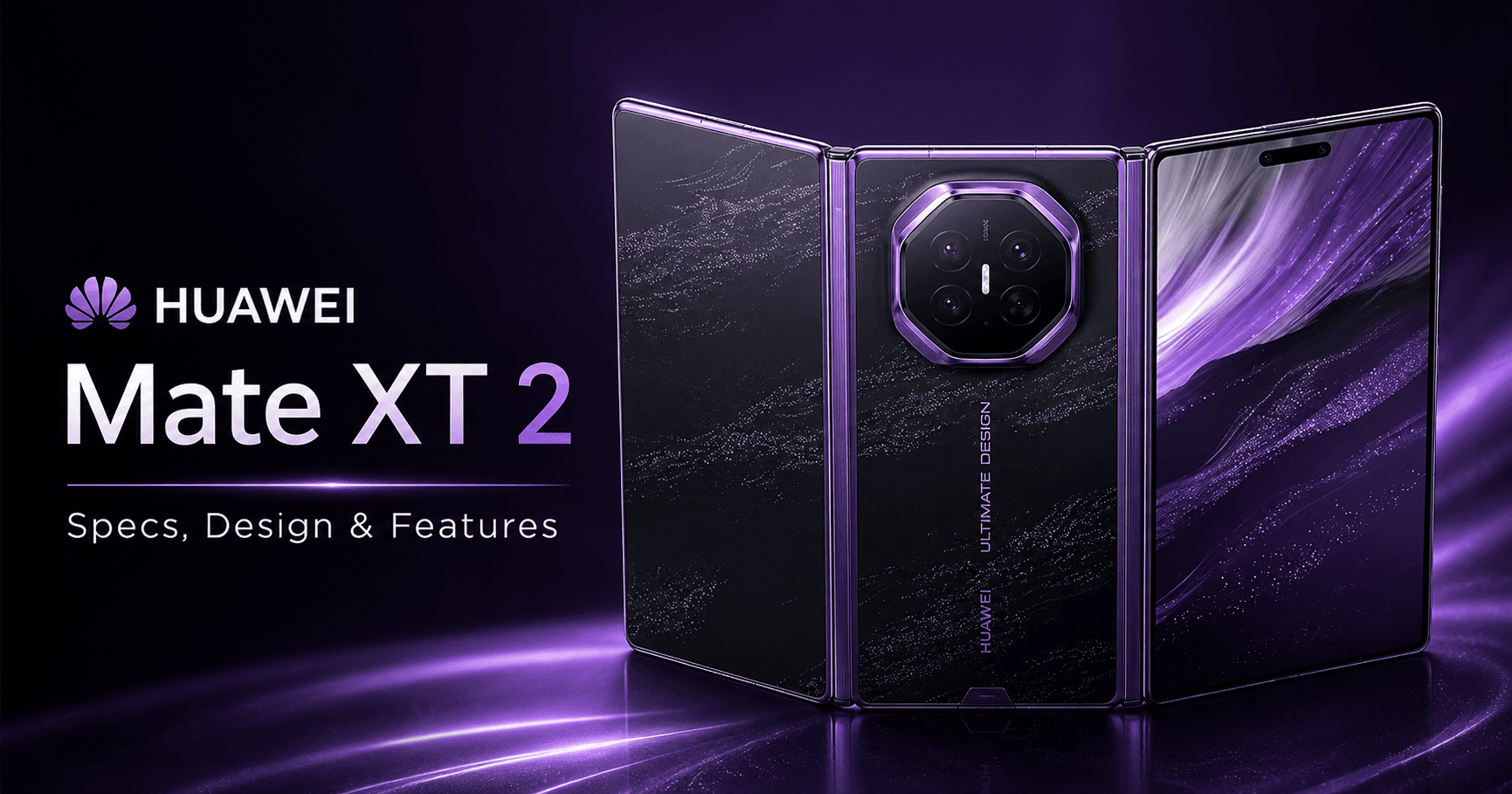
Huawei Mate XT 2 changes that with what Huawei describes as a new wing style tri fold architecture.
Both sides fold inward, allowing the large flexible display to stay protected inside the phone. Huawei has also added a completely separate external screen for normal smartphone use.
That sounds like a small change until you think about everyday use.
Checking WhatsApp, answering calls, scanning a QR code, making a payment or reading notifications should no longer require opening part of the large flexible display. You use the outer screen like a regular phone and unfold the device only when you actually need more space.
This might be the Mate XT 2's most important improvement.
Mate XT 2 Display and Ultra Thin Body
Huawei has not yet published the complete display specification sheet, so exact resolution, refresh rate and brightness figures should be treated carefully until the September 7 launch.
What Huawei has confirmed is equally impressive.
The Mate XT 2 uses separate inner and outer displays while achieving a body section measuring only 3.5mm thick when unfolded. Huawei also claims it remains its largest foldable display design while improving weight distribution through a more symmetrical structure.
Previous reports suggest the inner screen will remain around the 10 inch class, but the final display measurements should be confirmed at launch rather than copied from the previous Mate XTs.
The important usability upgrade is the dedicated cover screen. The original concept focused on giving users multiple folding sizes. Mate XT 2 instead appears more focused on two clear experiences: a normal phone when closed and a large tablet style workspace when fully opened.
For everyday users, that may actually be the better solution.
Huawei Mate XT 2 Colors
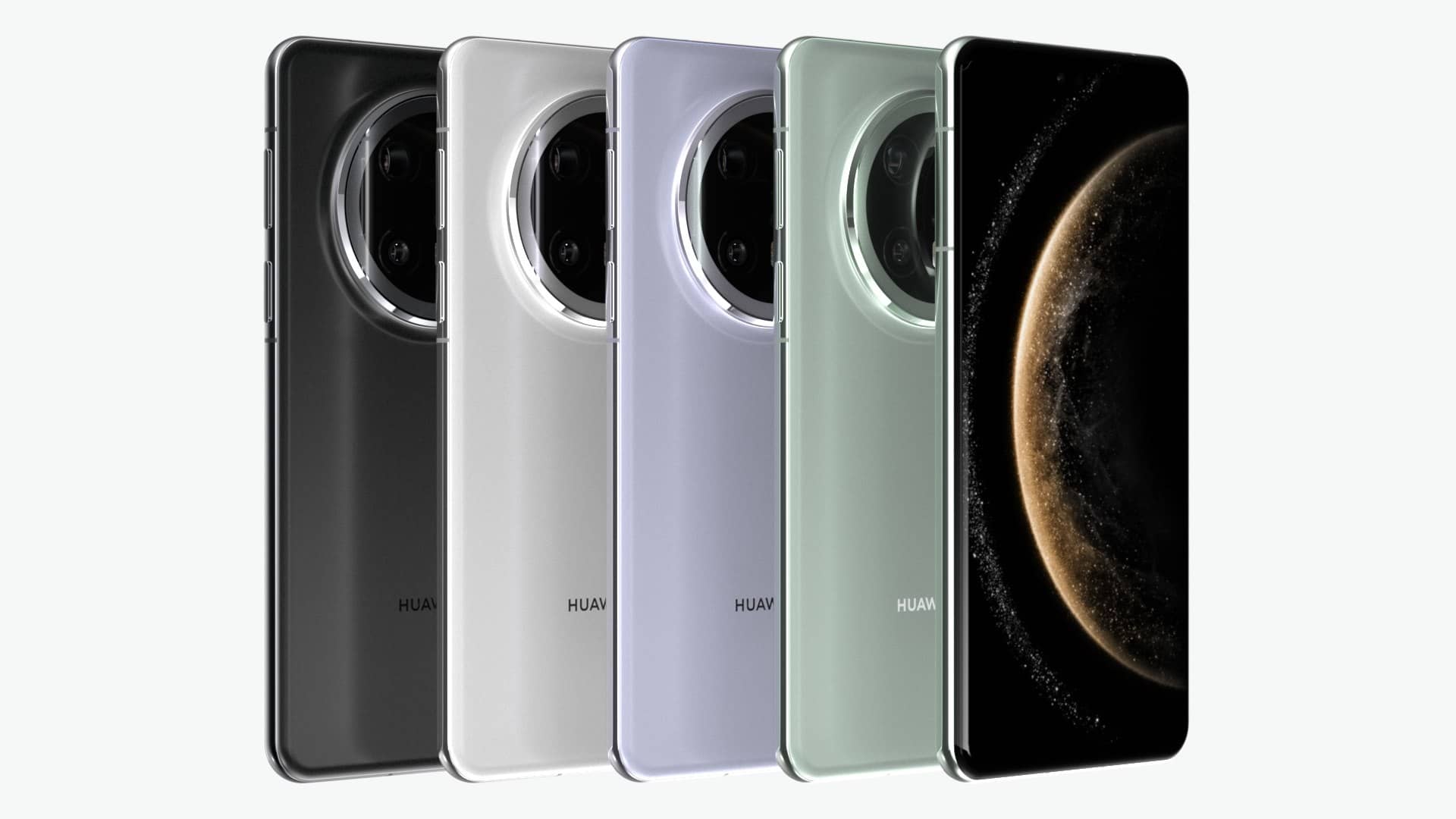
Huawei has currently listed the Mate XT 2 in three official color options:
| Color | Appearance |
|---|---|
| Dark Black | Classic, professional and understated |
| Pure White | Clean and more minimal looking |
| Jin Purple | Premium purple finish and the most distinctive option |
The Chinese names are 玄黑, 皓白 and 锦紫, so English translations may differ slightly between markets.
The purple model is particularly interesting because Huawei is also offering a special configuration with a stylus bundle.
RAM and Storage Options
Every currently revealed Mate XT 2 configuration uses 16GB of RAM.
Huawei has listed 512GB and 1TB storage versions, while a special Jin Purple stylus package goes all the way up to 16GB RAM + 2TB storage. A special privacy display version is also being offered with selected configurations.
Two terabytes inside a smartphone is excessive for an average user, but the Mate XT 2 clearly is not designed as an average smartphone. Someone using the large display for documents, photography, video, presentations and productivity could actually benefit from that amount of local storage.
A Privacy Screen Built for Public Use
One of the most unusual Mate XT 2 features is Huawei's privacy focused display option.
Early demonstrations show the screen remaining clearly visible from the front while becoming difficult to read from wider side angles. This is intended to stop nearby people from casually seeing private information on your screen.
That could be genuinely useful on airplanes, public transport, offices or coffee shops.
For a device that Huawei is clearly positioning toward executives and premium productivity users, this feature makes more sense than another decorative AI effect.
Performance, Battery and Cameras
This is where readers need to separate confirmed information from leaks.
Current leaks point toward a next generation Kirin 9050 Pro chipset, a battery around 6,000mAh, approximately 100W wired charging, wireless charging and an upgraded camera system with a large main sensor, ultra wide camera, periscope telephoto lens and Huawei's multispectral Red Maple imaging technology.
However, Huawei has not officially confirmed these complete specifications yet.
That means websites currently presenting these numbers as final Mate XT 2 specifications are getting ahead of Huawei's September 7 announcement.
What is confirmed is that the phone will launch alongside HarmonyOS 7, which Huawei says brings major improvements to intelligence, performance, connectivity and security across its ecosystem.
Durability Could Be the Biggest Real World Upgrade
A device with two hinges and a huge flexible display will always raise durability questions.
Huawei says the Mate XT 2 uses its new highly reliable tri fold architecture and has been tested against repeated drops, water exposure and demanding environmental conditions. The inward folding design also means the main flexible display is no longer permanently exposed when the phone is closed.
That does not mean owners should treat it like a rugged phone, but structurally it appears far more sensible for daily use than Huawei's earlier Z shaped design.
What Is the Real User Experience Like?
This part requires some honesty.
There are no trustworthy long term independent Mate XT 2 reviews yet, because the phone does not officially launch until September 7.
Early hands on demonstrations have shown the device working with its outer display and privacy mode, while Huawei executives say the symmetrical design improves weight distribution and makes the unfolded device easier to hold.
The design itself also tells us something important about usability.
You should not need to unfold a giant screen every time you receive a notification. When you do want to read documents, watch video, work across multiple windows or use a stylus, the large internal display becomes the reason for owning the phone.
That separation between quick phone tasks and serious large screen tasks could make the Mate XT 2 much more practical than earlier tri fold experiments.
Still, battery endurance, heat management, camera quality, hinge longevity and prolonged one handed comfort cannot be judged properly until independent reviewers spend real time with the final retail device.
Huawei Mate XT 2 Price and Availability
Huawei has opened reservations in China, but the company has not yet announced the final official retail price.
Likewise, there is currently no confirmed official Pakistan launch price or global release schedule.
Any Pakistani price currently appearing on mobile specification websites should therefore be treated as an estimate or import price, not an official Huawei Pakistan figure.
The full pricing structure should become clear during the September 7 launch.
Final Verdict
The Huawei Mate XT 2 looks more interesting than a simple specification upgrade.
Huawei has changed the basic philosophy of its tri fold phone.
Instead of leaving part of the flexible display exposed, the new inward folding architecture protects it. Instead of making users rely on the flexible screen for normal smartphone tasks, there is now a dedicated outer display. Add the 3.5mm unfolded body, up to 2TB storage, stylus option, privacy screen technology and HarmonyOS 7, and the Mate XT 2 starts looking less like a concept phone and more like an extremely premium mobile workstation.
The biggest unanswered questions are performance, battery life, cameras, final price and international availability.
Those answers arrive on September 7, 2026.
Until then, Huawei Mate XT 2 already appears to have solved one of the biggest problems with the original tri fold idea: making incredible folding hardware feel practical enough to use every day.